
Chemicals in your home are everywhere, often hiding in plain sight among everyday items. From cleaning products and building materials to everyday household items, chemicals are part of modern living. While many of these substances are useful and even necessary, prolonged or improper exposure can affect indoor air quality, health, and overall comfort. Understanding where these chemicals come from and how to manage them helps homeowners create a safer, healthier living environment.
Why Understanding the Chemicals in Your Home Matters
Chemicals in your home enter your house in a variety of ways. Some are released as gases from solid or liquid products, a process known as off-gassing. Others linger as residues on surfaces or become airborne through dust. Because people spend a significant amount of time indoors, even low-level exposure accumulates over time. Awareness is the first step toward reducing unnecessary exposure and improving indoor conditions.
Common Sources of Household Chemicals
Many everyday items contain chemical compounds that homeowners may not think twice about. Cleaning agents, air fresheners, paints, adhesives, and personal care products often include volatile organic compounds that contribute to indoor pollution. Building materials such as flooring, cabinetry, insulation, and pressed-wood products may release chemicals long after installation. Even furnishings like couches and mattresses could contain flame retardants or treatments that affect indoor air quality.
Chemicals in Your Home Affect Indoor Air Quality
Indoor air quality is closely linked to the presence of chemicals in your home. Poor ventilation allows airborne chemicals to build up, leading to headaches, irritation, or respiratory discomfort for occupants. Homes that are tightly sealed for energy efficiency may trap pollutants indoors if fresh air circulation is limited. Improving ventilation, using exhaust fans, and allowing fresh air exchange will significantly reduce chemical concentrations and improve overall comfort.
Cleaning Products and Safer Alternatives
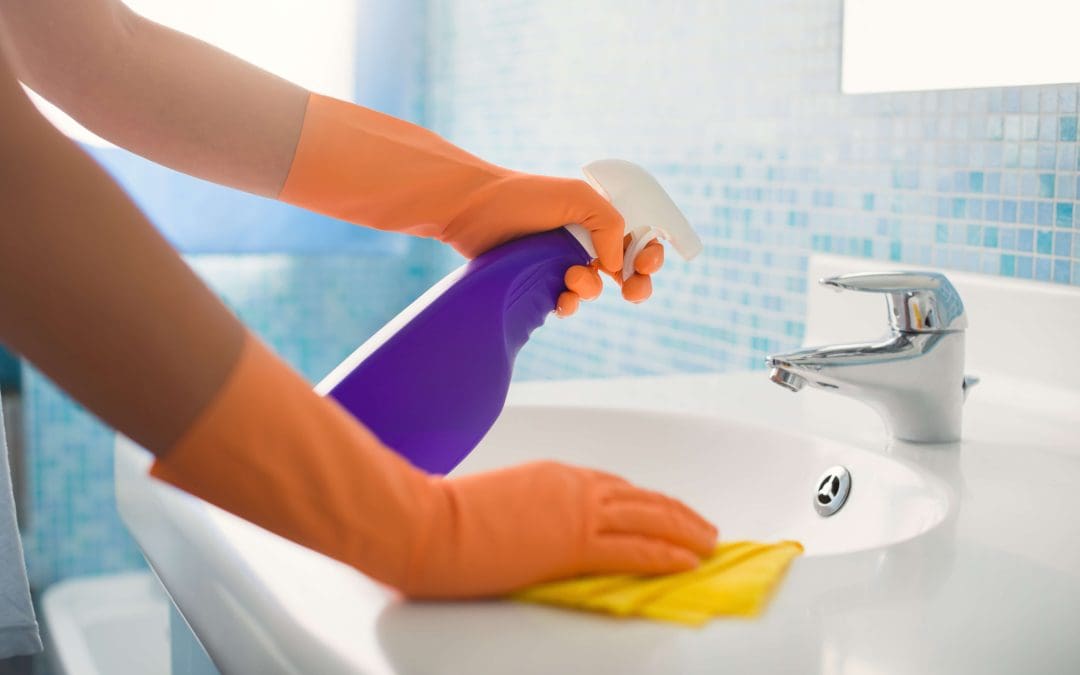
Cleaning products are one of the most common contributors to chemical exposure. Strong fragrances, disinfectants, and degreasers often contain compounds that linger in the air long after they are used. While these products are effective, using them sparingly and according to instructions helps limit unnecessary exposure. Many homeowners also opt for milder formulations or products labeled as low-emission to reduce the chemical load inside their homes without compromising cleanliness.
Exposure to Chemicals in Your Home During Renovations
Home improvement projects can temporarily increase exposure to chemicals. Fresh paint, new flooring, sealants, and finishes often release higher levels of compounds during and shortly after installation. Planning renovations with proper ventilation and allowing materials time to cure before occupying the space can make a noticeable difference. Choosing low-emission products whenever possible helps minimize the long-term impact and improve indoor air quality more quickly.
Storage, Disposal, and Household Safety
How chemicals are stored and disposed of matters just as much as how they are used. Improperly sealed containers can leak fumes into living spaces, especially in garages, basements, or utility rooms. Storing chemicals in well-ventilated areas and keeping them tightly sealed reduces exposure risks. Proper disposal prevents chemicals from lingering unnecessarily or creating hazards for people and pets.
Reducing Everyday Exposure Over Time
Managing chemicals in your home does not require eliminating products entirely. Simple habits, such as ventilating regularly, cleaning dust frequently, washing fabrics, and avoiding excessive product use, can make a meaningful difference. Being mindful of product labels and usage helps homeowners strike a balance between convenience and safety. Over time, these small changes contribute to a healthier indoor environment.
Chemicals in your home are a reality of modern living, but they do not have to control your indoor environment. With awareness, wise product choices, and good ventilation practices, homeowners will reduce exposure and maintain a safer, more comfortable home for everyone.
Frequently Asked Questions (FAQs)
Are all household chemicals harmful?
Not all chemicals are dangerous, but prolonged exposure or improper use could increase health risks. Understanding how and when chemicals are used helps minimize potential concerns.
What are volatile organic compounds?
Volatile organic compounds, often referred to as VOCs, are chemicals that are easily airborne. They are commonly found in paints, cleaners, and building materials, and can affect indoor air quality.
How can homeowners improve indoor air quality?
Improving ventilation, using exhaust fans, opening windows when possible, and choosing low-emission products all help reduce indoor chemical levels.
Do new homes have more chemical exposure than older homes?
New homes often contain higher levels of off-gassing due to new materials and finishes. Proper ventilation during the first months of occupancy helps reduce exposure.
Is professional testing necessary to identify indoor chemicals?
In some cases, professional indoor air quality testing can help identify elevated levels of specific chemicals and guide targeted improvements.
First Impression Home Inspections offers inspections in the Shenandoah Valley. If you’re buying a home, contact us to request an appointment.