
Your home should be the safest and healthiest environment in your life, but for many households, hidden issues quietly work against that goal every day. Poor indoor air quality, contaminated water, off-gassing materials, and inadequate ventilation are all common concerns that most homeowners don’t think about until symptoms appear. The good news is that creating a healthier home doesn’t require a full overhaul. A combination of targeted upgrades, smarter product choices, and consistent maintenance habits can meaningfully improve the quality of your living environment and protect your family’s long-term well-being.
What Makes a Genuinely Healthier Home
A healthier home goes beyond cleanliness; it addresses the invisible factors that affect air quality, water safety, chemical exposure, and overall environmental comfort. Many of the most significant health impacts in residential spaces come from sources that aren’t immediately obvious: volatile organic compounds released by paints and flooring, mold growing behind walls in moisture-prone areas, radon seeping through foundation cracks, or contaminants in an aging plumbing system. Addressing these issues proactively rather than reactively is what separates a genuinely healthier home from one that simply looks clean on the surface.
Improve Indoor Air Quality for a Healthier Home
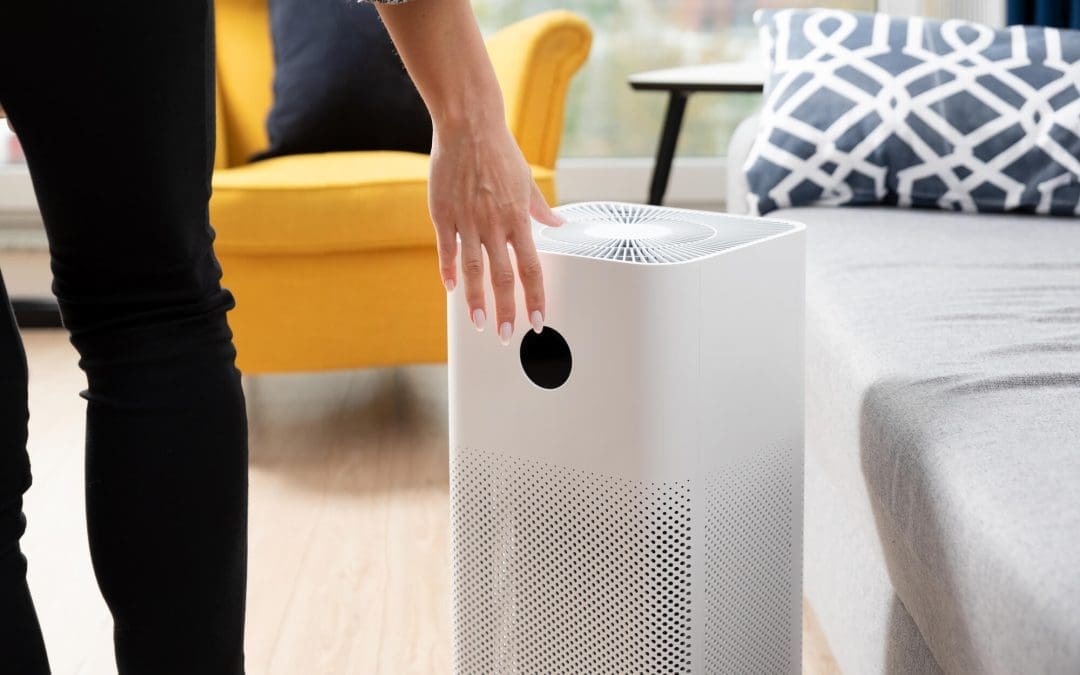
Indoor air quality is one of the most impactful and most overlooked aspects of a healthy living environment. Studies consistently show that indoor air could be two to five times more polluted than outdoor air. The primary contributors are dust, pet dander, mold spores, VOCs from household products and building materials, and inadequate ventilation that allows these pollutants to accumulate. Upgrading your HVAC system’s air filtration is one of the most effective steps toward a healthier home. Replacing standard filters with high-efficiency HEPA or MERV-rated alternatives captures significantly finer particles and should be changed every one to three months, depending on usage. Standalone air purifiers with true HEPA filtration in bedrooms and main living areas provide an additional layer of filtration beyond what the central system delivers. Ensuring bathroom and kitchen exhaust fans are properly vented to the exterior removes moisture, odors, and cooking byproducts before they circulate through the home.
Water Quality Upgrades That Support a Healthier Home
The water flowing through your home’s plumbing is another important factor in overall household health that many homeowners take for granted. Municipal water supplies are treated but may still contain trace contaminants, disinfection byproducts, and heavy metals, particularly in homes with older plumbing systems that may have lead-containing solder or pipes. Well water requires even more vigilant testing and treatment since it isn’t subject to the same regulatory standards as municipal supplies. Installing a whole-house water filtration system or point-of-use filters on kitchen faucets and shower heads provides meaningful protection against common water quality concerns. At a minimum, having your water professionally tested gives you an accurate baseline for what treatment, if any, is needed.
Reduce Chemical Exposure and Improve Moisture Control
The materials and products used inside the home contribute significantly to indoor chemical exposure. Many conventional paints, flooring materials, adhesives, and furnishings off-gas VOCs for months or years after installation. When upgrading flooring, cabinetry, or painting interior spaces, choosing low-VOC or zero-VOC products dramatically reduces the chemical load in the living environment. Look for certifications like GREENGUARD Gold or FloorScore when selecting building materials; these indicate independently verified low-emission standards.
Moisture control is equally critical to a healthier home. Excess humidity creates conditions for mold and dust mite proliferation, two of the most significant indoor allergen sources. Keeping indoor humidity between 30 and 50 percent with a dehumidifier in damp areas, fixing leaks promptly, and ensuring proper ventilation in bathrooms, kitchens, and crawl spaces prevents the moisture accumulation that allows these biological pollutants to thrive. Radon is another thing to consider. It is a naturally occurring radioactive gas and the second leading cause of lung cancer in the United States, and it’s completely undetectable without testing. If elevated levels are found, a professionally installed mitigation system resolves the issue effectively and permanently.
Frequently Asked Questions (FAQs)
What are the most impactful upgrades for a healthier home?
Improving indoor air quality through better HVAC filtration and air purifiers, upgrading to filtered drinking water, switching to low-VOC paints and materials, controlling indoor humidity, and testing for radon are consistently the highest-impact upgrades for overall household health.
How do I know if my home has indoor air quality problems?
Common signs include persistent allergy or respiratory symptoms that improve when you leave the home, musty or chemical odors, visible mold or moisture, and excessive dust accumulation. A professional indoor air quality assessment provides the most accurate picture of what’s present and at what levels.
Is radon testing really necessary for a healthier home?
Yes, radon is present to some degree in virtually every home, and elevated levels are far more common than most homeowners realize. The only way to know your home’s radon level is to test for it. Testing is inexpensive and straightforward, and mitigation is highly effective when elevated levels are found.
What does low-VOC mean, and why does it matter for a healthier home?
VOC stands for volatile organic compound, chemicals that off-gas from many common household products, including paints, adhesives, flooring, and furnishings. Low-VOC or zero-VOC products release significantly fewer of these compounds into the indoor air, reducing the chemical load that occupants breathe daily.
How often should I have my home’s water tested?
At a minimum, water should be tested when purchasing a home, particularly for older properties or those on private wells. Annual testing is recommended for well water due to seasonal and environmental variability.
First Impression Home Inspections offers inspections in the Shenandoah Valley. If you’re buying a home, contact us to request an appointment.